Heartleaf Philodendron
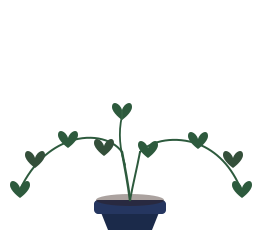
True heart-shaped leaves in deep green. Often confused with Pothos but with a deeper green, more velvety texture, and slightly different leaf shape. The sweetheart of any collection.
About Heartleaf Philodendron
Amora is the sweetheart of my collection, and I mean that literally — those little heart-shaped leaves are genuinely charming. The Heartleaf Philodendron is often confused with Pothos (they trail the same way, tolerate the same conditions), but get up close and you'll see the difference: deeper green, more velvety texture, and a slightly different leaf shape.
This is the plant I'd give a nervous beginner before a pothos. It's that good. New leaves emerge as a light bronze-green and darken as they mature, which means there's always something fun happening.
How to Care for Heartleaf Philodendron
Light
Low to bright indirect light. Tolerates a wide range of conditions. More light means faster growth and fuller vines.
Water
Every 1–2 weeks. Same basic rule as Pothos — when the top inch of soil is dry, water.
Humidity
She'll survive a dry Charlotte winter just fine. Humidity is a bonus, not a requirement.
Propagation
Very easy in water. Snip a node (look for the little nub), pop it in water, and roots appear in 2–3 weeks.
Tips & Troubleshooting
- Watch the leaf sheaths. The papery casings around new leaves (cataphylls) dry up and turn brown after unfurling — totally normal. Don't remove them until they're completely dry.
- Leggy? Give more light. She's a fast grower, so if she looks sparse, more light will make her fill back in quickly.
- Humidity is optional. Unlike some Philodendrons, Heartleaf doesn't need a humidifier to thrive — dry air is fine.
- ⚠️ Toxic to cats and dogs — keep up high if you have curious pets.
Best Placement
Perfect for moderate to bright indirect light, especially in kitchens or bedrooms. Trails beautifully from a shelf or climbs up a moss pole if you prefer vertical growth. Amora is genuinely happy almost anywhere except a dark corner.